Bringing greenery indoors is one of the simplest ways to transform your home into a healthier, happier space. Indoor plants not only beautify your surroundings but also improve air quality, reduce stress, and create a calming atmosphere. For beginners, the idea of gardening may seem intimidating—after all, plants appear to need constant care. But the truth is, with the right guidance and simple habits, anyone can make indoor plants thrive.
This guide covers the fundamentals of sunlight, watering, potting, and placement, especially for those living in small apartments. Whether you’re starting with a single pot on your windowsill or setting up a mini jungle in your living room, these tips will make your gardening journey smooth and enjoyable.
Understanding Sunlight: The Secret to Happy Plants
Light is food for plants, and getting it right is half the job done. The trick is not about having a big garden—it’s about finding the best spot indoors.
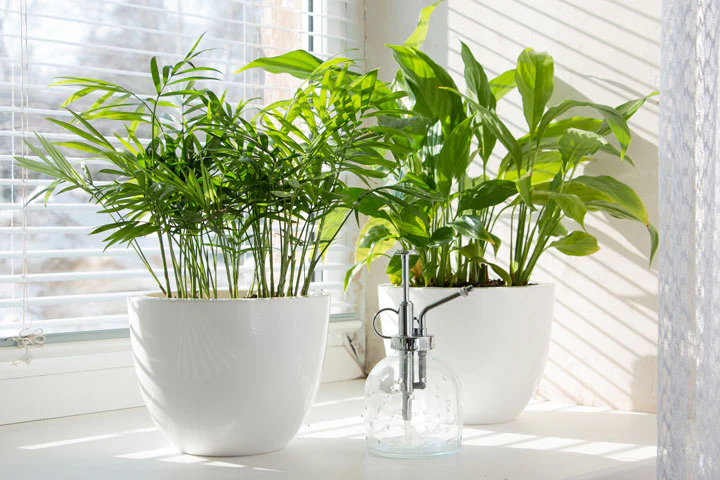
- Indirect Light Wins: Most indoor plants don’t want harsh sunlight. A place near a bright window with filtered light works wonders.
- Low-Light Corners: Don’t worry if your apartment doesn’t get much natural light. Some plants adapt beautifully to low-light areas, making them perfect for bedrooms, offices, or hallways.
- Rotate Regularly: Turning pots every few weeks ensures plants grow evenly and don’t lean toward one side.
Pro Tip: If you notice leaves stretching or fading, it usually means your plant is hungry for more light.
Watering Wisely: The Most Common Beginner Mistake
Water is essential—but too much of it can be deadly. New gardeners often assume more water equals more care, but plants actually prefer balance.
- The Finger Test: Insert your finger into the soil up to 2 inches. If it feels dry, it’s time to water. If not, wait a few more days.
- Consistency Over Frequency: Most plants do well with a regular routine. Instead of watering every day, try once a week and adjust based on the season.
- Drainage is Key: Always choose pots with drainage holes. Stagnant water can cause root rot, one of the most common plant problems.
Remember: It’s easier to revive a thirsty plant than one that’s drowning.
Potting and Soil: Building the Right Foundation
The container you choose matters more than you think. It affects root growth, moisture levels, and overall health.
- Right Size Pot: A pot too large holds excess water, while one too small restricts roots. Pick a size just slightly bigger than the plant’s base.
- Soil Matters: Regular garden soil is often too heavy for pots. Opt for a well-draining, light mix that allows roots to breathe.
- Repotting Routine: Every year or two, refresh the soil or shift to a slightly larger pot to give roots more space.
Pro Tip: Clay or terracotta pots naturally absorb moisture, reducing the risk of overwatering.
Making Plants Apartment-Friendly
Limited space doesn’t mean limited greenery. With smart choices, even the coziest homes can feel like an urban jungle.
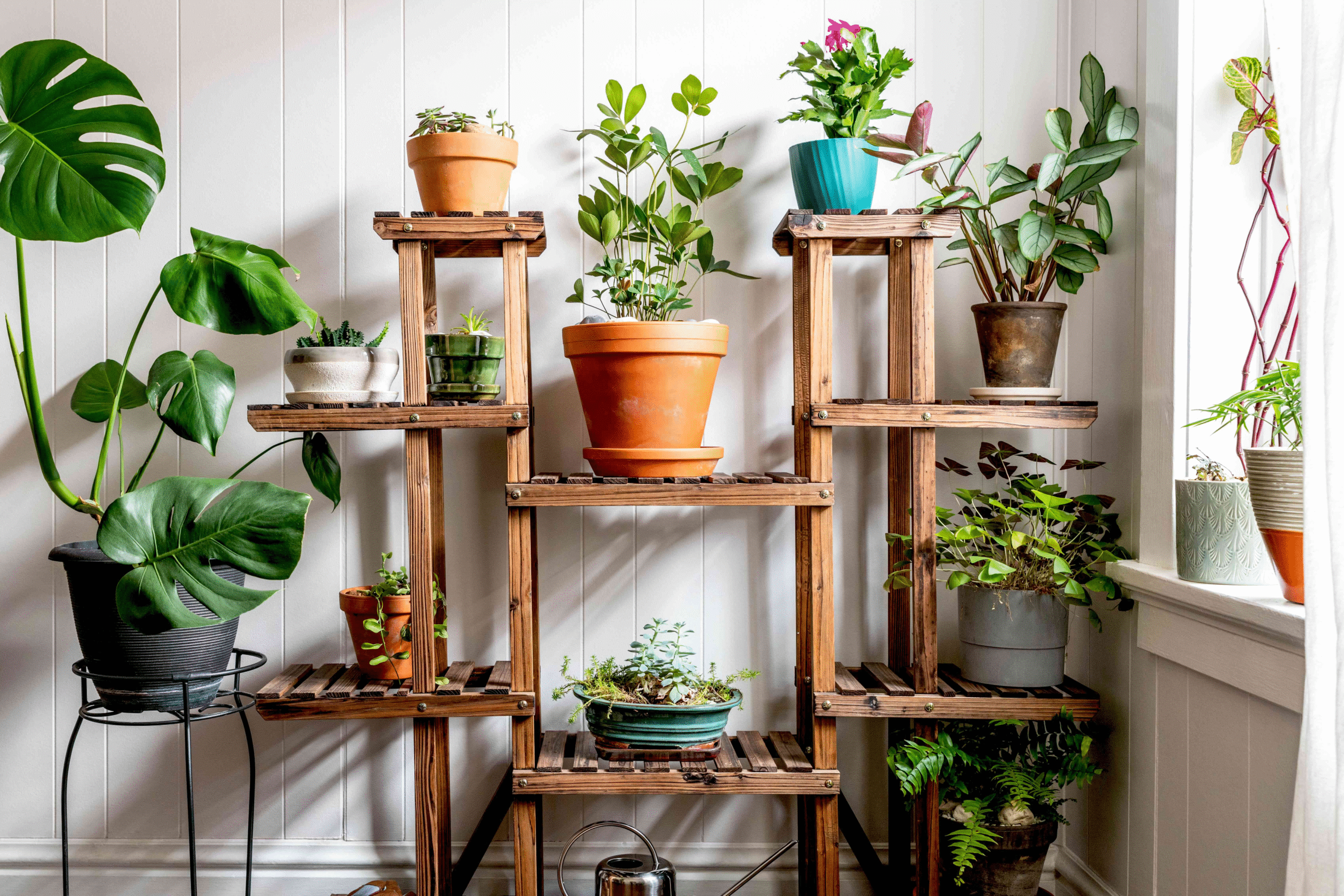
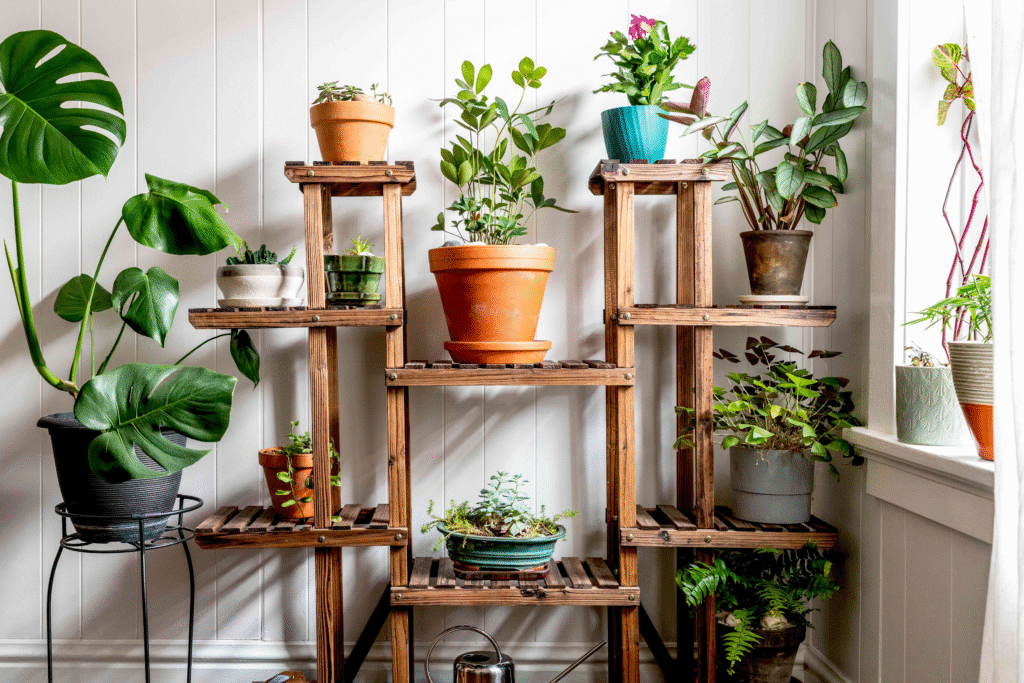
- Vertical Gardens: Use wall-mounted planters, shelves, or hanging pots to save floor space.
- Cluster for Impact: Grouping plants of different heights creates a fuller, more vibrant look.
- Multi-Use Decor: Place plants on side tables, bookshelves, or window sills to combine functionality with aesthetics.
- Portable Greenery: Use lightweight pots that are easy to move, so you can shift them around when sunlight changes through the seasons.
Easy Care Hacks for Beginners
Consistency is more important than perfection. These small habits will keep your plants looking fresh and lively:
- Dust the Leaves: Clean leaves once a month with a soft cloth so they can absorb maximum light.
- Check for Signs: Drooping, yellowing, or curling leaves are signals—plants communicate if we observe them.
- Create a Routine: Water on the same day of the week, check soil, and rotate plants. This rhythm makes gardening stress-free.
- Use Household Helpers: Banana peels, coffee grounds, and kitchen compost add nutrients naturally.
The Joy of Indoor Gardening
Gardening isn’t just about plants—it’s about you. Studies show that nurturing greenery reduces anxiety, improves focus, and creates a sense of accomplishment. Even a single thriving plant can brighten your day, while a collection of them can turn a house into a home.
Remember, you don’t need a green thumb to succeed. You only need patience, observation, and the willingness to learn. Start small, care consistently, and celebrate every new leaf you see.
Final Thoughts
Indoor gardening is less about perfection and more about creating a connection with nature. Once you understand the basics of light, water, and soil, you’ll realize plants aren’t fragile at all—they’re surprisingly forgiving.
So, don’t wait for the “right time” or the “perfect space.” Pick up a pot, bring home a plant, and watch as your home slowly transforms into a green sanctuary. The journey may start small, but the joy it brings is endless.